

Understanding Forex Swap A Comprehensive Guide 1700568360
In the world of forex trading, understanding the nuances of different trading elements is crucial for success. One such element is the swap, a concept that plays a significant role in the profitability of your trades. If you’re new to forex or looking to deepen your understanding of its mechanisms, this article will explain what a swap is, how it works, and its implications on your trading strategy. For reliable insights and live data, don’t forget to check out what is swap in forex trading Trading Area NG.
What is a Swap in Forex?
A swap in forex refers to the interest exchanged between two currencies in a currency pair when a trade is held overnight. This occurs because currencies have different interest rates, leading to an interest differential which is made payable between traders. Swaps can be positive or negative, depending on the direction of your trade and the differential between the two currencies.
How Does Swap Work?
When you trade forex, you are essentially borrowing one currency to buy another. This borrowing incurs interest, leading to the concept of swaps. The swap rate you either earn or pay is determined by the central banks’ interest rates and can vary widely between currency pairs. The swap rate can typically be observed on your trading platform, showing how much interest will be added or subtracted from your account balance at the end of each trading day.
Understanding Positive and Negative Swaps
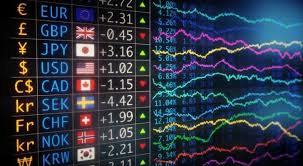
Swaps can be divided into two categories: positive and negative. A positive swap means that traders will earn interest when holding a position overnight, while a negative swap implies that traders will pay interest. Whether swap rates are positive or negative depends on the currencies involved and their respective interest rates. For instance, if you buy a currency pair where the base currency has a higher interest rate than the quote currency, you might earn a positive swap.
Factors Influencing Swap Rates
Swap rates fluctuate based on several factors. The primary influences are:
- Central Bank Interest Rates: Changes in interest rates set by central banks can lead to adjustments in swap rates, impacting how much you earn or pay for holding a position overnight.
- Market Liquidity: The liquidity of a currency pair can influence swap rates. More liquid pairs usually have lower swap rates due to increased competition among brokers.
- Time of Trading: Different times of trading may come with different swap rates, especially around weekends or public holidays.
The Role of Swap in Trading Strategies
Understanding how swaps affect your trading strategy is fundamental. If you plan to hold positions long-term, the swap rate can significantly impact your overall trading costs. Traders often select currency pairs with favorable interest differentials to maximize potential swap profits.
Moreover, being aware of the swap rates can assist traders in knowing the best times to enter or exit trades, especially if they employ a swing trading or position trading strategy. The implications of swap should not be underestimated in long-term strategies.
How to Calculate Swap Costs
Calculating swap costs can be done using a straightforward formula. Most trading platforms provide this information directly, but understanding the mechanics can give you a better insight:
For example:
- Swap Cost = (Notional Amount x Swap Rate x Days Held) / 10
It’s essential to consider the volume of your trade and the applicable swap rate to estimate how much you will either gain or pay due to swaps.
Tips to Manage Swap Costs
While swaps can sometimes be favorable, they can also accumulate over time and affect your profitability. Here are some tips to manage swap costs:
- Trade Swaps Wisely: Opt for trades with positive swaps when possible, which can lead to additional profits.
- Short-Term Trading: If you wish to avoid swap costs, consider engaging in day trading or scalping, as these strategies do not involve holding positions overnight.
- Research Brokers: Different brokers can offer various swap rates, so find a broker who provides competitive rates that favor your trading style.
Conclusion
Understanding what swaps are in forex trading is essential for any trader looking to make informed decisions. While they are often overlooked, swaps can significantly impact your trading results, especially in longer positions. By being aware of how swap rates are calculated and influenced, traders can develop strategies to either capitalize on favorable swaps or mitigate the costs associated with negative swaps. With this knowledge, traders can enhance their overall understanding and approach to forex trading.